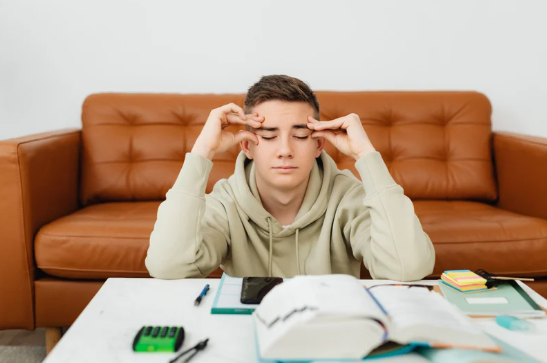
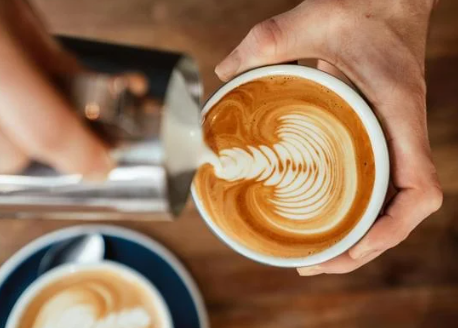
Caffeine can have an adverse effect on your health. Caffeine is a natural stimulant for the brain to help make it more alert. Most use caffeine to stay awake longer and chase away drowsiness. However, caffeine is in more foods and drinks than one might think.
“Energy or protein bars, ice cream, chewing gum, dietary supplements, and over-the-counter medications are some of the products that may have caffeine as an added ingredient,” the U.S. Food and Drug Administration said.
Adults and teenagers alike consume caffeine. Some studies show that as groups get older caffeine consumption goes up.
“As students advance through their academic years, their caffeine consumption tends to increase, likely in response to more demanding study schedules,” the National Library of Medicine said. “Senior-level students consumed an average of 1,698.02 mg of caffeine per week, compared to freshmen, who consumed around 1,106.23 mg weekly, equivalent to roughly six to seven cups of brewed coffee per day.”
Adults and teenagers should not be drinking the same amount of caffeine though. Teenagers are strongly urged to stay away from caffeine if possible, or to consume caffeine in small amounts.
“Until a safe amount is determined, if it’s impossible to avoid, people age 12 to 17 should have less than 100 mg of caffeine per day,” the Columbia University Irving Medical Center said.
However, most energy drinks contain much more than the advised caffeine intake.
“Standard energy drinks are 16 ounces, doubling the caffeine per serving noted on the label (generally 85 mg per 8 ounces), greatly exceeding the maximum amount of caffeine per day for teens,” the Columbia University Irving Medical Center said.
Caffeine can have some major effects on an individual’s body. Especially if that individual is taking any supplements or medications.
“Some commonly used medications or supplements that can have diminished effects due to caffeine include iron supplements, thyroid medications, antidepressants and Alzheimer’s disease medications,” the American Medical Association said.
Caffeine can also affect the effect of calcium in the body.
“High caffeine intake can disrupt the body’s ability to metabolize calcium, which could then result in its deficiency, thus increasing the risk of diseases such as osteoporosis,” the National Library of Medicine said.
While caffeine is usually consumed to increase awareness and to produce a feeling of being more awake, it can actually cause an individual to become more tired.
“However, while energy drinks are frequently consumed for their alerting effects, the study also revealed that frequent consumption was associated with poorer sleep quality, shorter sleep duration, and increased daytime sleepiness,” the National Library of Medicine said.
It has also been known to cause adverse effects to the heart and nervous system.
“Even if you don’t experience an overdose, regularly having unsafe levels of caffeine can damage your heart and central nervous system,” the Cleveland Clinic said.
Caffeine can also affect anxiety levels and can even cause panic attacks.
“If you’re socially anxious or prone to panic attacks, sipping on a coffee or energy drink is only going to make it much worse,” the Help Guide said. “As a stimulant, caffeine speeds up your heart rate and your breathing, which can worsen your anxiety.”
Studies have shown that caffeine can have similar effects as drugs. For example, people can get addicted to it.
“Caffeine is an addictive substance; once the body becomes dependent on it, it may become difficult to cease consumption,” the National Library of Medicine said.
Caffeine also comes with withdrawal symptoms.
“Caffeine consumption and withdrawal are linked to deprivation symptoms, including irritability, blurred vision, depression, fatigue, flu-like symptoms, and cognitive impairment,” the National Library of Medicine said.
Ultimately, caffeine is not good for one’s health. It can cause a slew of health problems and complications for all ages. While teenagers and adults don’t have to completely cut out caffeine, they should heavily regulate their intake and check for signs of dependency. They should also try to break their addiction if they have one.
“Settle for one cup of coffee in the morning instead of two, for example,” the Help Guide said.