Many students forget that they are still entitled to their First Amendment rights.
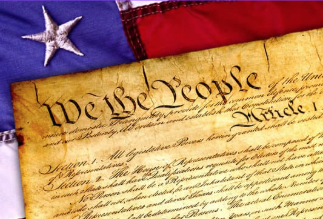
The First Amendment rights are the rights to peacefully assemble, freedom of speech, freedom of religion, and the right to petition the government. Many students either forget or don’t know that they are still entitled to these rights when at school.
“During the past few months, the Board office has worked with students and institutional leaders to develop a statement that asserts the value of students’ First Amendment rights and our commitment to upholding those rights,” the Kansas Board of Regents said.
Recently, there has been an uprising of students enforcing their First Amendment rights by using their freedom of speech and their right to peacefully protest. But what exactly does that entail?
“You have the right to speak out, hand out flyers and petitions, and wear expressive clothing in school — as long as you don’t disrupt the functioning of the school or violate school policies that don’t hinge on the message expressed,” The American Civil Liberties Union said.
This means that students do indeed have the right to express themselves freely. The only time this is not applicable is when it comes to bad language, topics of drugs and alcohol, and other such things. The other right being expressed more currently is the right to peacefully protest. This right is currently being debated in the Kansas Senate.
“The Kansas Senate voted Tuesday [March 3] to clamp down on public school protests by requiring students to secure parental permission to participate and by imposing penalties on districts complicit in organizing protests or meek in disciplining student offenders,” The Kansas Reflector said.
This topic has been debated for many years and can be quite controversial. Many say that students should have these rights no question asked, and others are a little more hesitant with that. Such debates include Tinker v. Des Moines Independent Community School District.
“That landmark 1969 decision recognized First Amendment rights of students in U.S. public schools,” the Kansas Reflector said. “It has been used to determine whether a school’s interest in preventing disruptions outweighed students’ constitutional rights.”
The bill regarding students’ rights to peacefully protest still has to be accepted by the Kansas House. For now, it will not be in effect. Overall, students still have their First Amendment rights. They are entitled to all sections of the First Amendment whether others say they are or not. Of course, some aspects depend on school policies and general societal rules.
“What counts as ‘disruptive’ will vary by context, but a school disagreeing with your position or thinking your speech is controversial or in ‘bad taste’ is not enough to qualify,” the American Civil Liberties Union said. “Courts have upheld students’ rights to wear things like an anti-war armband, an armband opposing the right to get an abortion, and a shirt supporting the LGBTQ community.”