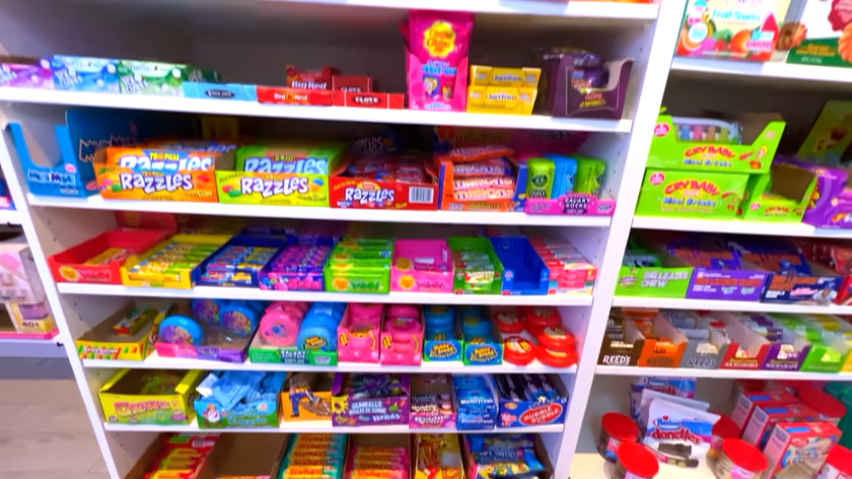
When you walk into school you’ll notice one of fifteen students you walk past might have a Needo or an Alani in their hand.
Nowadays it’s very common or easy for many people to buy or have a large amount of a brand which can become a problem.
Daniel Meili a sophomore who is a minimalistic person who comes to school with what he needs.
“I don’t think it’s healthy, but if it’s a hobby it’s ok. If it’s like a stack of a Red Bull that can be excessive and expensive. Americans are known for having a problem with overconsumption,” Meili said. “I think with all the trends, in order for them to keep fans they need to consciously be buying new things and doing needed things.”
He said that this causes lots of fans, mainly younger individuals, to buy things they don’t need.
“It becomes overconsumption,” Meili said. “In our school I don’t think it’s a huge problem, I think it’s more of a problem in urban areas or cities.”
Dawson Cassida, sophomore, is a somewhat minimalistic guy who has a more profitable view.
“I don’t feel like it’s that bad. it helps the economy, it puts money back into the market and business. It probably gets to a point mainly when you’re not using all of what you buy,” Cassida said. “There are times where it can be too much like Mukbangs videos or eating challenge but as long as it give back to the economy it’s fine.”
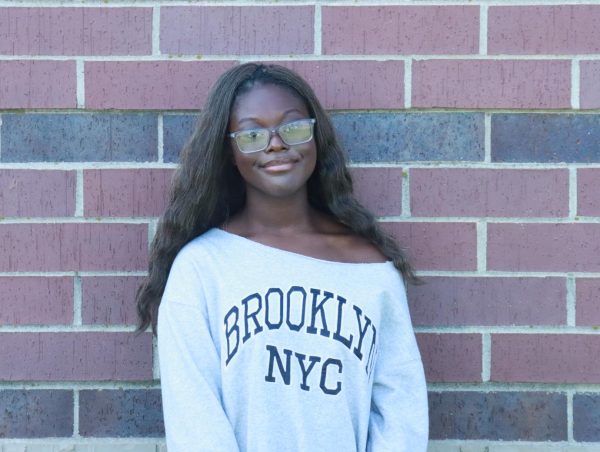
Layla Dillard, sophomore, thinks it’s kinda performative with how influencers are with buying things.
“It’s very bad for the environment also it’s very performative like when influencers unbox their shein haul and they show clothes and items their not going to use,” Dillard said. “I feel like the Needos and dumpling because you only need one not like 20 of them.”
She said it’s not beneficial at all even in food, because your not even going to finish it.
“It becomes into hoarding when you buy so many things you don’t need, which is bad,” Dillard said.