Seasonal Affective Disorder is a disorder that affects about 5 percent of the U.S population (about 21 million people). According to an article posted by Mental Health America, about 4 out of 5 people with Seasonal Affective Disorder are women.
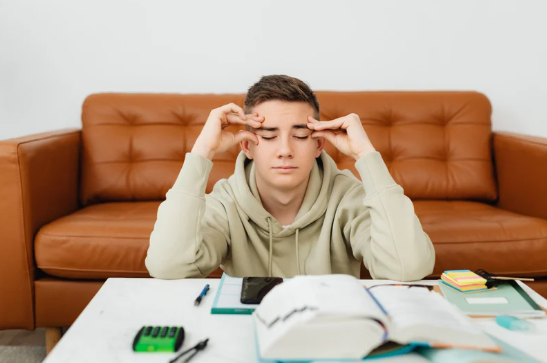
This disorder can also affect students in many ways. According to Mayo Clinic, some symptoms are feeling sad or down almost every day, losing interest in things you used to enjoy, having low energy, having problems with sleeping, having trouble concentrating, ETC. Seasonal Affective Disorder is caused by reduced levels of sunlight during fall or winter. The change in season can disrupt the balance of the body’s level of melatonin, which plays a role in sleep patterns and mood, and other causes.
Some complications a student can have are social withdrawal, school problems, substance abuse, other mental health disorders such as anxiety, can begin to affect the student too, Suicidal thoughts or behaviors. According to a study done by Appalachian State University, about 25% of college students suffer from this disorder.
How can you treat Seasonal Affective Disorder?
There are many ways to treat it, the most common are Light therapy, antidepressant medications, talk therapy, and some vitamin D supplements. Like many other mental health disorders, most people with this disorder decide not to seek treatment.
In many cases, these feelings pile up and lead to the person hurting themselves or taking their own life. About 50,000 people die from suicide each year in the US, and about 750,000 die worldwide.
 Source: shoreline community college