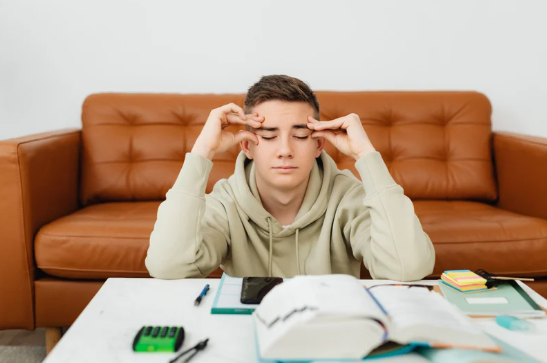

Taking care of your body isn’t as easy as most people think. Most people may have a skincare or body routine but never look inside of their bodies.
When you come to school, you notice many energy drinks or the eye bags most students have. Even when you’re practicing for your sport you may feel tired or even sluggish. Now why is that? It’s care, you are not taking care of your body.
Sleep is one of the most important parts of getting through the day. On average you should be getting around 6-8 hours of sleep. Kasey Woart, a sophomore a very busy person.
“I get around 7 hours of sleep, sometimes I’m on my phone for an hour or doing a sport that prevents me from getting my 7 hours of sleep, ” said Woart. “The only thing that helps me with sleep is loving it.”
Izzy Blochlinger, a sophomore, says she also gets around seven hours of sleep. “homework and sports are the two main things that prevent me from getting proper rest.” I feel really weak and I can’t focus on certain things,” said Blochlinger.
Sometimes when you eat you usually eat one type of food, or an unbalenced meal making you rely on energy drinks or sugar. Take a look around the hallway or even your class. You’ll notice many people have an energy drink or food trying to get some source of energy. Leah Bridgewater, a sophomore , is someone who has a very well balanced diet.
“I try my best to pack all five food groups in my lunch. You are what you eat, so if you eat good, you do good, from sports to even focusing in class,” Bridgewater said. “Nutrition is very important and not many people realize the impact it has on your body.”
Your emotions are another factor many people look over. When you’re happy you usually feel more confident, get more things done, and perform better in your sports. But when you’re sad or stressed, you overthink, break out in hives, even give up on the simplest things.
Matthew Mayeske a social studies teacher who notices and takes the time to listen.
“From what I see people seem pretty aware of their emotions, maybe not that many teenagers,” said Mayeske. “Teenagers and children don’t know how to regulate and express their emotions. For the most part, a lot of people are aware of their emotions. But reacting or how to cope with it may not be so.“